Expertise
We empower people with cognitive and physical disabilities to rediscover communication and enhance their independence.
We have reached the goal to allow people with communication difficulties to communicate with those around them.
AUTONOMY

regardless of the level of language.
the learning path.


TD Snap continues to evolve with ever more advanced and accessible features!
The International Society for Augmentative and Alternative Communication (ISAAC) defines AAC as a combination of tools and strategies that individuals use to face their daily communication challenges.
The AAC systems allow people with significant language difficulties to communicate effectively, helping them to interact with others in social media, to express their needs, desires and opinions and to make decisions in complete autonomy. This allows to promote their social inclusion and their development.
A few months ago Tobii Dynavox published the third version of the Dynamic AAC Goals Grid (DAGG-3, Dynamic AAC Goals Grid), now available in Italian.

A few months ago Tobii Dynavox published the third version of the Dynamic AAC Goals Grid (DAGG-3, Dynamic AAC Goals Grid), now available in Italian.

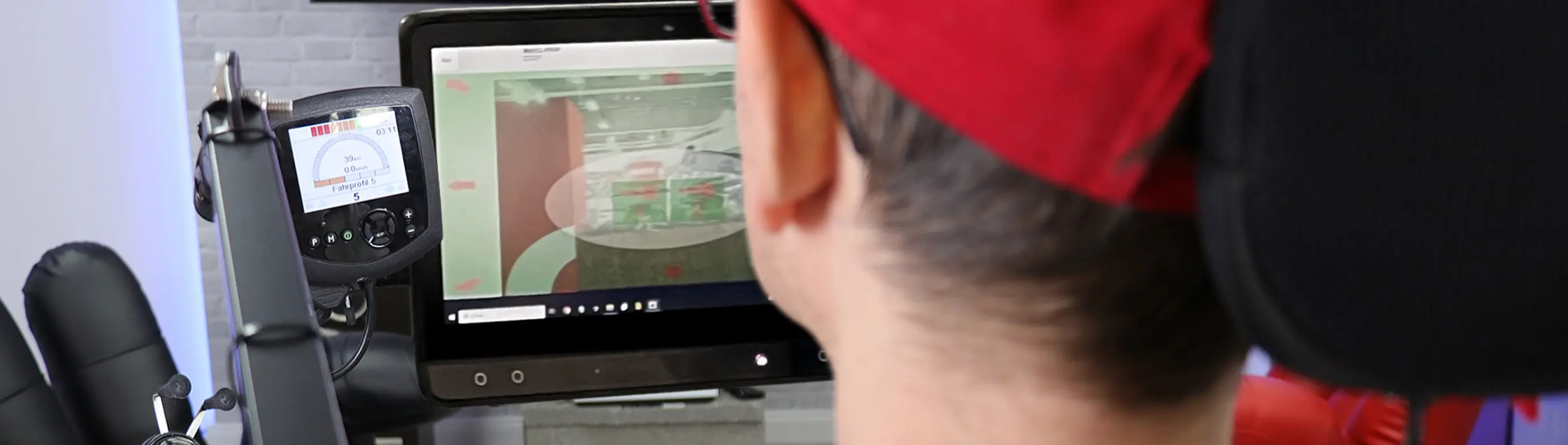
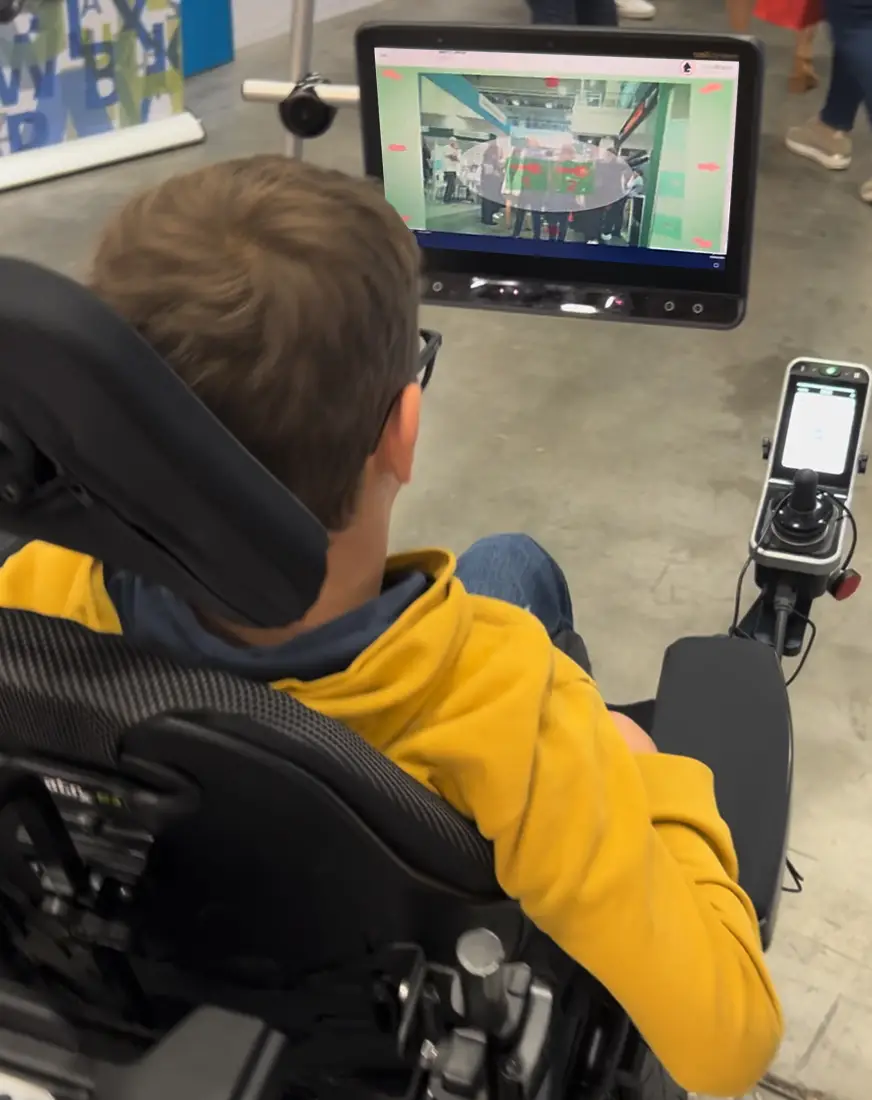
Drive your power wheelchair safely and adjust your sitting position with just your eyes.


The International Society for Augmentative and Alternative Communication (ISAAC) defines AAC as a combination of tools and strategies that individuals use to face their daily communication challenges.
The AAC systems allow people with significant language difficulties to communicate effectively, helping them to interact with others in social media, to express their needs, desires and opinions and to make decisions in complete autonomy. This allows to promote their social inclusion and their development.
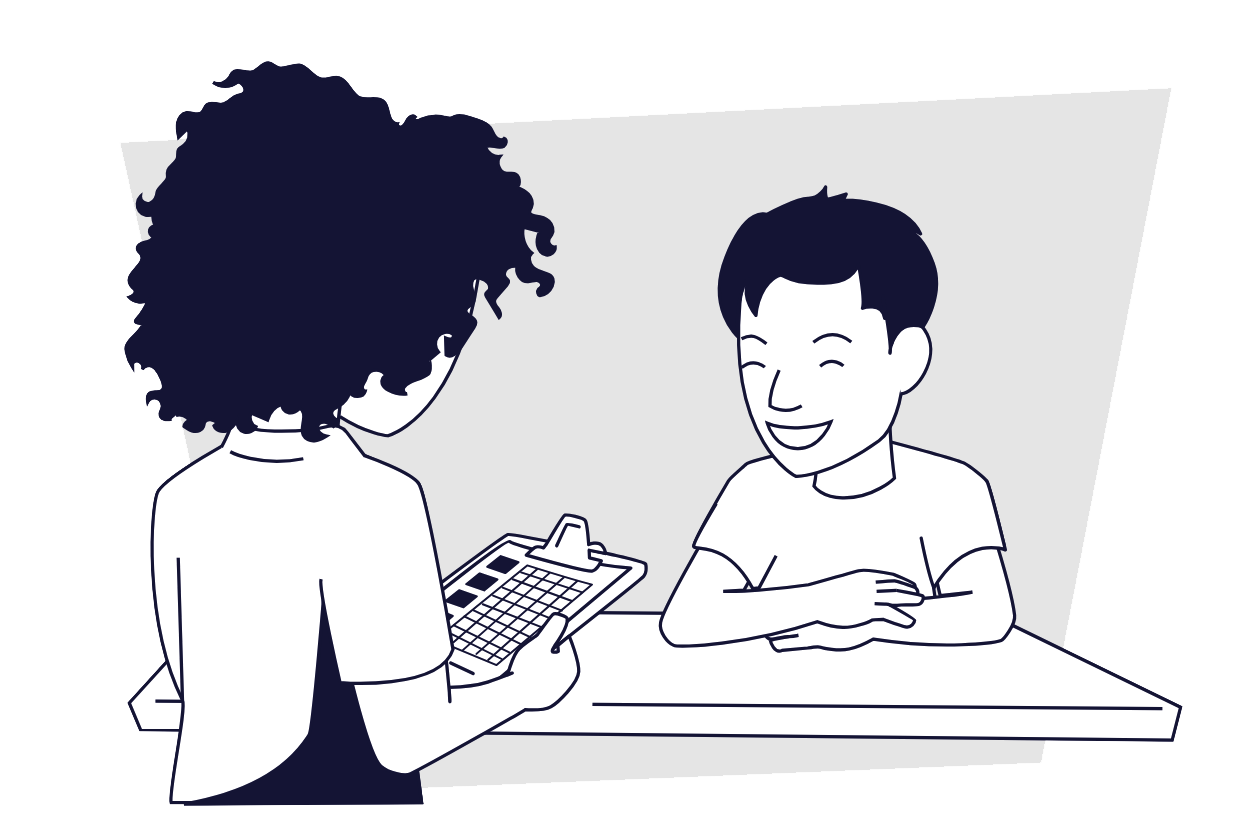
Also known as communication partners, these are all the people who interact directly with an AAC user. They can be family members, friends, therapists, teachers, etc. They are interlocutors, responsible for the creation of a positive communication environment, teaching by “modelling” and building as many opportunities as possible for interaction and development.

AAC WILL KEEP A PERSON FROM TALKING
FALSE – This myth is based on the belief that using AAC means giving up on natural speech. The truth is that AAC can increase speech production.

A PERSON CAN BE TOO IMPAIRED TO BENEFIT FROM AAC
FALSE – This myth is based on the assumption that a person’s cognitive and/or physical abilities are too severely impaired. The truth is that breathing is the only prerequisite for AAC – it can be used by anyone, regardless of diagnosis or impairment level.

AAC SHOULD BE USED AS A LAST CHANCE
FALSE – This myth is based on the belief that having some speech is enough for basic communication. The truth is that limited speech makes it difficult for someone to express what they truly want or feel, and therefore limits their ability to participate in daily life.

LOW-TECH AAC MUST BE USED BEFORE INTRODUCING HIGH-TECH DEVICES
FALSE – the provision of AAC tools and techniques does not follow any order. It’s a series of decisions made and revisited regularly based on the individual’s current and future skills and needs.

A CHILD CAN BE TOO YOUNG FOR AAC
FALSE – This myth is based on the belief that introducing AAC at an early age will impede the development of natural speech. The truth is that AAC improves natural speech and grows language skills.

A few months ago Tobii Dynavox published the third version of the Dynamic AAC Goals Grid (DAGG-3, Dynamic AAC Goals Grid), now available in Italian.
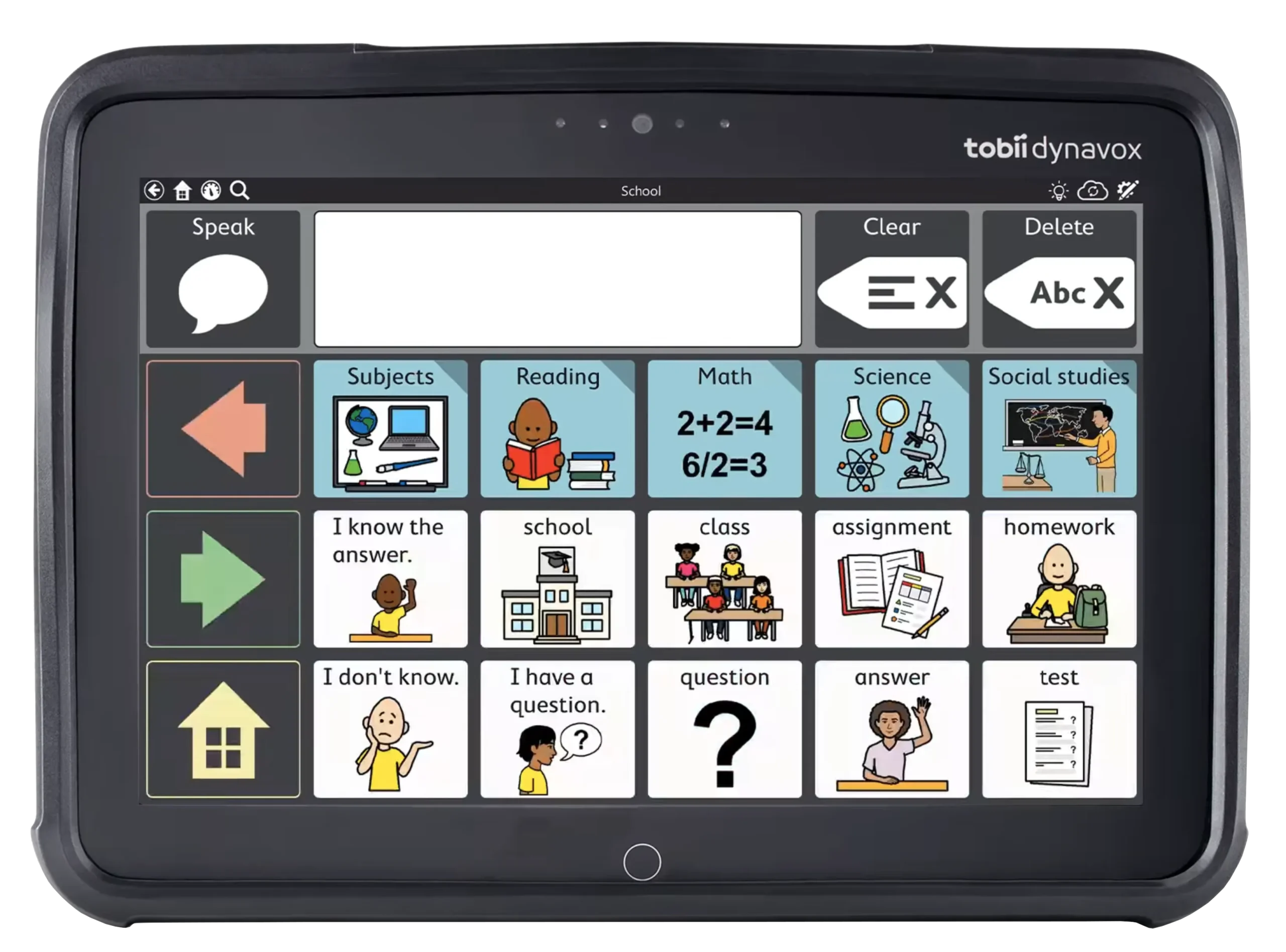
These are the applications or programs installed on your device. They have several functions and allow communication (via images or text) with voice output, encourage literacy and allow full control of the computer through the use of eyes, touch or other access methods.

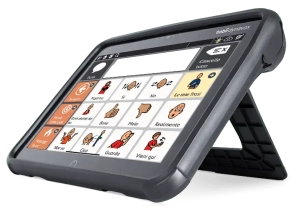
They are the physical components used for communication, created specifically for AAC.
They allow the user to interact using different access methods such as looking, touching, scanning or combined methods.

DAGG-3
A few months ago Tobii Dynavox published the third version of the Dynamic AAC Goals Grid (DAGG-3, Dynamic AAC Goals Grid), now available in Italian.


DAGG-3, short for Dynamic AAC Goals Grid (edition 3), is a tool designed for speech-language therapists to assess a patient’s current communicative abilities, then develop a set of goals to help them improve their communication skills and track progress.
This tool can be used with anyone, regardless of the level of starting communication skill (from emerging to independent communicators) and the aid used (from no-tech to high tech).


The DAGG-3, completely free, consists of two documents, the step-by-step instructions to help professionals understand and use the tool, and the assessment tool itself to create the specific goals grid, monitor progress and update it from time to time.

The MyEcc app converts eye movements into commands enabling to drive the wheelchair safely in every direction and adjust your seating position. MyEcc Prop is an innovative eye control system that allows safe and precise driving even with proportional controls.


Drive your power wheelchair safely and adjust your sitting position with just your eyes.
Control any power wheelchair
Adjustable seat settings for maximum comfort
multidirectional guide to go in any direction
High precision proportional guidance


In this stage we completely express the expertise of SRLabs. A careful evaluation of patients’ condition

SR Labs Healthcare si occupa della formazione nel momento della consegna della macchina
all’utente e ai caregivers.

SR Labs provides an ongoing assistance. We want to be a reference point and a concrete support to
those who need it. How?